شرح السؤال المذيل Question Tag بالتفصيل
شرح السؤال المذيل Question Tag بالتفصيل

تكملة لـ دروس الإنجليزية، هنقدم لكم اليوم درسًا تعليميًا، وهو شرح السؤال المذيل Question Tag بالتفصيل، وده درس مهم جدًا في الإنجليزية.
شرح السؤال المذيل (Question Tag) بالتفصيل
السؤال المذيل Question Tag هو سؤال قصير يُضاف في نهاية الجملة في اللغة الإنجليزية.
وظيفته:
- التأكد من صحة المعلومة.
- أو طلب موافقة/تأييد من المستمع.
التكوين.. Question Tag Formation
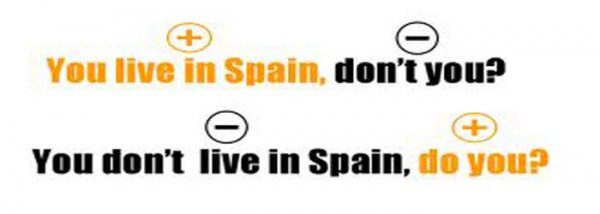
1. Affirmative Sentence + Negative Tag
-
إذا كانت الجملة مثبتة → يأتي بعدها سؤال منفي.
مثال: - She is a teacher, isn’t she?
- You like coffee, don’t you?
2. Negative Sentence + Affirmative Tag
-
إذا كانت الجملة منفية → يأتي بعدها سؤال مثبت.
مثال: - She isn’t a teacher, is she?
- You don’t like coffee, do you?
لاحظ الأتي *** Note the following
(1) Affirmative Sentence + Negative Tag
الجملة مثبتة → السؤال المذيل منفي.
– Expected Answer: Yes
-
You like coffee, don’t you?
– Yes, I do. -
Soha is here, isn’t she?
– Yes, she is.
(2) Negative Sentence + Affirmative Tag
الجملة منفية → السؤال المذيل مثبت.
– Expected Answer: No
-
You don’t like coffee, do you?
– No, I don’t. -
Soha isn’t here, is she?
– No, she isn’t.
كده القاعدة واضحة:
- جملة مثبتة → Tag منفي → الإجابة المتوقعة Yes
- جملة منفية → Tag مثبت → الإجابة المتوقعة No
لاحظ الأتي *** Note the following
الجملة مثبتة ➝ السؤال منفي
الجملة منفية ➝ السؤال مثبت
-
He is a teacher, isn’t he?
-
He isn’t a teacher, is he?
-
We are students, aren’t we?
-
We aren’t students, are we?
-
You don’t like coffee, do you?
-
He plays football, doesn’t he?
-
We play football, don’t we?
-
They played football, didn’t they?
-
You have been in Jordan, haven’t you?
-
She will help us later, won’t she?
-
I am right, aren’t I? (قاعدة استثنائية)
-
Don’t make any noise, will you?
-
Let’s sit in the garden, shall we?
-
This is your book, isn’t it?
-
That is your bag, isn’t it?
-
These are yours, aren’t they?
-
Those are yours, aren’t they?
-
There aren’t any problems, are there?
-
Everything is wrong today, isn’t it?
-
Everyone played well, didn’t they? ✔️ (هنا “they” تُستخدم للجميع)
نستخدم الأسئلة المذيلة غالبًا لكي نفتح محادثات
إنه يوم جميل، أليس كذلك؟ —— ?It’s a lovely day, isn’t it
الجو ليس دافئًا جدًا هنا، أليس كذلك؟ —— ?It’s not very warm here, is it
وكذلك نستخدم الأسئلة المذيلة عندما نتوقع أن يتفق معنا الشخص الذي نوجه له السؤال
You’re coming too, aren’t you? Yes, we are
أنتم ستحضرون أيضًا، أليس كذلك؟ نعم، سنحضر.
They’re not staying much longer, are they? No, they aren’t
هم لن يمكثوا وقتًا أطول، أليس كذلك؟ لا، لن يمكثوا.
يتكون السؤال المذيل من فعل مساعد أو ناقص + فاعل (ضمير يشير إلى الفاعل في الجملة).
السؤال المذيل يكون بمعنى: “أليس كذلك؟”.
بعد جملة مثبتة نستخدم سؤالًا مذيلًا منفيًا لكي نسأل إذا كان الشخص يتفق مع الجملة الخبرية.
It’s lovely today, isn’t it? It certainly is
الجو جميل اليوم، أليس كذلك؟ بالتأكيد هو جميل.
She’s gone home, hasn’t she? Yes, she has
هي ذهبت إلى البيت، أليس كذلك؟ نعم، هي ذهبت.
Bob likes this weather, doesn’t he? Yes, he does
بوب يحب هذا الجو، أليس كذلك؟ نعم، هو يحبه.
They went home, didn’t they? Yes, they did
هم ذهبوا إلى البيت، أليس كذلك؟ نعم، هم ذهبوا.
You’ll be on holiday next week, won’t you? Yes, I will
أنت ستكون في إجازة الأسبوع القادم، أليس كذلك؟ نعم، سأكون.
لاحظ أنه في السؤال المذيل المنفي نضع n’t بعد الفعل المساعد أو الناقص ثم ضميرًا يشير إلى الفاعل في الجملة.
بعد جملة منفية نستخدم سؤالًا مذيلًا مثبتًا لكي نسأل إذا كان الشخص يتفق مع الجملة الخبرية.
هو ليس ودودًا جدًا، أليس كذلك؟ He isn’t very friendly, is he?
He wasn’t waiting at home for me, was he? لم يكن ينتظرني في البيت، أليس كذلك؟
You haven’t met my sister Jean, have you? أنت لم تقابل أختي جين، أليس كذلك؟
أنت لا تحب البيض، أليس كذلك؟ You don’t like eggs, do you?
الكلب لا يستطيع أن يخرج، أليس كذلك؟ The dog can’t go out, can it?
لاحظ ما يلي:
الصيغة الشاذة من I’m عندما تكون سؤالًا مذيلًا منفيًا:
أنا سأذهب معك، أليس كذلك؟ ——— ?I’m going with you, aren’t I
أنا سأبقى أيضًا، أليس كذلك؟ ———— ?I’m staying too, aren’t I
بعد had better نستخدم سؤالًا مذيلًا بـ had
?I had better answer these letters, hadn’t I
من الأفضل أن أرد على هذه الخطابات، أليس كذلك؟
بعد would rather نستخدم سؤالًا مذيلًا بـ would
?You would rather sit in the garden, wouldn’t you
من الأفضل لك أن تجلس في الحديقة، أليس كذلك؟
بعد الاقتراحات بـ let’s وبعد العروض نستخدم سؤالًا مذيلًا بـ shall
?Let’s have some fresh air, shall we
دعنا نشم بعض الهواء الطازج، أليس كذلك؟
بعد صيغة الأمر نستخدم سؤالًا مذيلًا بـ will أو would أو can أو could
?Open the door, will you? / would you? / can you?
افتح الباب، أليس كذلك؟
بعد جملة مثبتة نستطيع أن نستخدم سؤالًا مذيلًا مثبتًا عندما نكون قد اكتشفنا حالًا أو تذكرنا بعض المعلومات ونريد أن نسأل أو نراجع إذا كانت صحيحة.
أنت رأيت جنيفر أمس، أليس كذلك؟ ————— ?You saw Jennifer yesterday, did you
ملاحظات:-
الجمل التي تحتوي على كلمات
مثل:
No / none / no one / seldom / hardly / scarcely / nothing / nobody / neither / never
تُعامل كأنها جمل منفية ويتبعها Tag مثبت:
1- Nothing was said, was it?
لم يُقل شيء، أليس كذلك؟
2- Ali hardly ever goes to the coffee shop, does he?
علي نادرًا ما يذهب إلى المقهى، أليس كذلك؟
السؤال المذيل في الإنجليزية هو سؤال قصير كثيرًا ما يلحق بأواخر الجمل في الكلام وأحيانًا في الكتابات غير الفصحى (أو غير الرسمية). يعني هذا السؤال: “أليس كذلك؟”، واستخدامه شائع في الإنجليزية.
“Question Tags” are the small questions that often come at the ends of sentences in speech, and sometimes in informal writing. They mean something like: “Am I right?” or “Do you agree?” They are very common in English.
يُصاغ هذا السؤال غالبًا من الفعل المساعد/الناقص حسب زمن الجملة، يليه ضمير الفاعل للفاعل في الجملة، ويكون في حالة الجملة المثبتة منفيًا، والعكس.
Examples – أمثلة
?They should go, shouldn’t they
?We are going soon, aren’t we
?Joan has finished the job, hasn’t she
?You are taking notes, aren’t you
?You were taking notes, weren’t you
?Ahmad can swim, can’t he
?You cannot play the piano, can you
?He’d left early, hadn’t he
?It’s stopped raining, hasn’t it
?You like apples, don’t you
?The meeting is at ten, isn’t it
هنا السؤال أُتي بـ is رغم أن الزمن هو المضارع البسيط:
?Shady gave you the money, didn’t he
لاحظ أن (نعم) أو (لا) هي إجابة على جملة منفية:
You aren’t going out today, are you?
- Yes (Yes, I’m going out)
- No (No, I’m not going out)
حالات خاصة في السؤال المذيل – Some special cases:
1 – الفعل have
-
في الأمريكية: إذا جاء have كفعل أساسي في المضارع البسيط، يُعامل مثل أي فعل آخر، وبالتالي نستخدم do في السؤال المذيل.
-
في البريطانية: يُعامل have كفعل مساعد في هذه الحالة، ويُستخدم مباشرة في السؤال المذيل.
Examples:
-
American: They have a problem with that, don’t they?
لديهم مشكلة مع هذا، أليس كذلك؟ -
British: They have a problem with that, haven’t they?
لديهم مشكلة مع هذا، أليس كذلك؟
2 – الكلمات النافية (negative words):
نستخدم سؤالًا مثبتًا بعد الجمل التي يأتي بها كلمات نفي مثل: never, no, nobody, hardly, scarcely, little.
Examples:
-
You never say what you are thinking, do you?
أنت لا تقول أبدًا ما تفكر فيه، أليس كذلك؟ -
There is little we can do about it, is there?
ليس هناك الكثير مما يمكننا فعله حيال ذلك، أليس كذلك؟
ملاحظات إضافية:
-
I’m right, aren’t I (= am I not)?
-
مع الأمر في البريطانية نستخدم won’t you لجعل الطلب أكثر أدبًا.
-
بعد الأمر المنفي نستخدم: will you?
Examples:
-
Do not forget, will you?
-
Give me a hand, will you?
-
Open a window, could you?
-
Shut up, can’t you? (للتعبير عن نفاذ الصبر)
-
Let’s have a party, shall we?
-
There weren’t any problems, were there?
-
There are some more chairs upstairs, aren’t there?
مع الضمائر المبهمة:
-
Nobody went to school yesterday, did they?
-
Nothing can happen, can it?
Other cases:
-
I think he is American, isn’t he?
-
I don’t think it’ll rain, will it?
-
I suppose you are hungry, aren’t you?
3 – الأسئلة التي لا تخالف حال الجملة (Same way tags):
إذا كان السؤال المذيل يأتي لتأكيد كلام ذُكر من قبل، لا نقلب الإثبات نفيًا والعكس.
Examples:
- You think you are the smartest here, don’t you?
- Your father is at home, is he?
- That’s the last bus, is it?
ما زال هناك نقطة متعلقة بالنغمة (Intonation) تحتاج إلى إضافة لاحقًا، لكن هذا الجزء يكفي الآن.
هذا الموضوع تم تجهيزه بالاعتماد على أكثر من 6 كتب.
I hope you like it. There is still a point about intonation which will be added soon, but I’m tired now.
This topic has been prepared from more than six books.
I hope you like it.
Question tag : –>
Complete the following sentences with the suitable question tag : –
1 – You cannot swim, ……………?
2 – Ahmed can swim, ……………?
3 – Shady is at home, ……………?
4 – Ramy’s book is new, ……………?
5 – It’s raining heavily, ……………?
6 – It’s stopped raining, ……………?
7 – He’d left early, ……………?
8 – You’d like to have tea, ……………?
9 – You’d better leave early, ……………?
10 – You’d rather study abroad, ……………?
11 – I’m late, ……………?
12 – You speak English, ……………?
13 – You never come by bus, ……………?
14 – He came late, ……………?
15 – He read the report, ……………?
16 – You can hardly speak German, ……………?
17 – Let’s have lunch, ……………?
18 – Let us go out, ……………?
19 – Open the book, ……………?
20 – Don’t speak, ……………?
21 – This is your book, ……………?
22 – You have a car, ……………?
23 – He had lunch, ……………?
>>>>>>>>>>>>>>>>>>>>>>>>>>>>>>>>>>>>>>>>>>>>>
Answers : –
1 – can you?
2 – can’t he?
3 – isn’t he?
4 – isn’t it?
5 – isn’t it?
6 – hasn’t it?
7 – hadn’t he?
8 – wouldn’t you?
9 – hadn’t you?
10 – wouldn’t you?
11 – aren’t I?
12 – don’t you?
13 – do you?
14 – didn’t he?
15 – didn’t he?
16 – can you?
17 – shall we?
18 – shall we?
19 – will you?
20 – will you?
21 – isn’t it?
22 – (AmE) don’t you? / (BrE) haven’t you?
23 – didn’t he?
حالات خاصة في السؤال المذيل (Special Cases)
1- I’m → aren’t
? I’m a good student, aren’t I
2- لكن I’m not ليست شاذة
? I’m not late, am I
3- Needn’t كفعل مساعد
? She needn’t travel, need she
4- Need to كفعل أساسي
? I need to study hard, don’t I
5- (’d + مصدر) → Would
? He’d rather stay here, wouldn’t he
6- (’d + p.p) أو (’d better) → Had
? We’d better go, hadn’t we
7- أدوات النفي (Hardly / Never) → Tag مثبت
? She never comes late, does she
? We hardly answer the difficult questions, do we
8- (Every / Some / No + noun) → they
? Someone is here, aren’t they
? Everyone speaks loudly, don’t they
? Nobody deserves the prize, do they
? No one is here, are they
9- Nothing → it
? Nothing can stop us, can it
10- There تبقى كما هي
? There is a new, isn’t there
11- الأمر (إيجابًا أو سلبًا) → will you
? Study hard, will you
? Don’t forget your prayers, will you
12- Let us → مثل الأمر / الطلب (will you)
? Let us leave now, will you
13- Let’s (اقتراح) → shall we
? Let’s play, shall we